The evening surface reset is the habit of returning visible horizontal planes to empty enough that tomorrow's first glance at the living room does not feel like a reprimand. Coffee tables that collected remotes, homework, snack bowls, and unopened mail. Side tables holding charging cables and half-finished books. Kitchen islands visible from the sofa still carrying the echo of dinner. The reset is not dusting every crevice; it is removing the layer of day so the room can rest when you do.
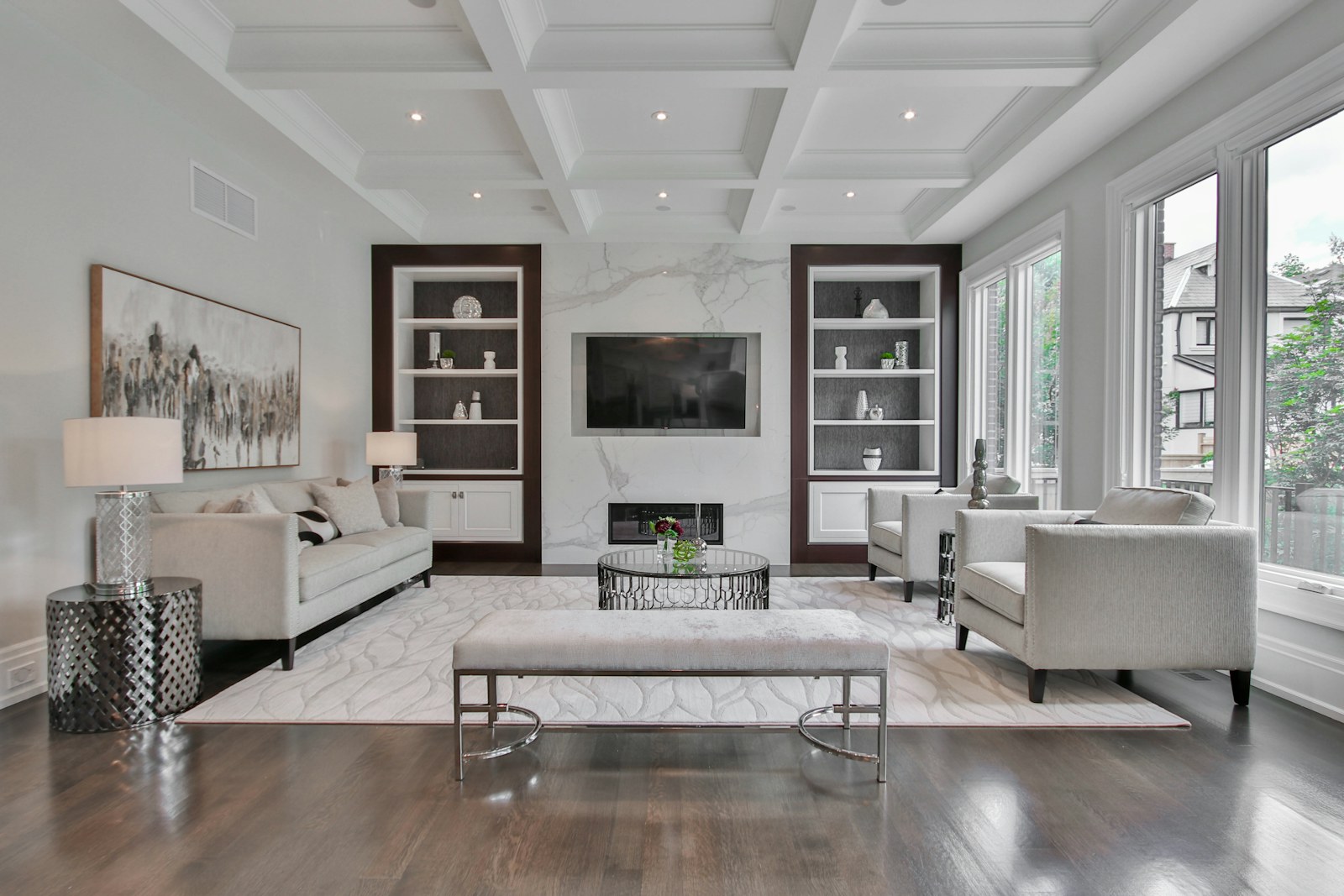
Surfaces as mood infrastructure
Psychologists talk about visual noise; households talk about "why the place feels stressful even when nothing is dirty." Surfaces carry that noise in U.S. open-plan layouts where the kitchen is always in frame. Clearing the coffee table changes the sightline; clearing the island changes the whole floor plan's atmosphere. The reset is cheap in minutes and expensive in calm when skipped.
Night owls and early risers benefit differently. Night people reset before bed so waking for water at 2 a.m. does not trip over staged clutter. Morning people reset the night before so coffee happens in a room that already cooperates. Both are valid anchors; the mistake is waiting for weekend time to restore weekday surfaces.
A ten-minute living pass
Carry a laundry basket or shallow tray. Start at the coffee table and move clockwise if that matches your room — consistency beats clever routing. Everything not belonging goes in the basket: cups to kitchen, papers to mail slot, toys to bin, blankets folded once and returned to sofa back. Wipe the table only if sticky; this is reset, not polish. Hit side tables and the media console top where dust and fingerprints collect socially. End with the sightline to the kitchen — if counters are visible, delegate kitchen close-down or spend the last two minutes clearing the strip you can see from the couch.
- Basket, not wandering — one trip to distribute items beats twelve micro-trips that expand the habit.
- Remotes to one home — a shallow bowl or tray prevents nightly hunts.
- Mail triage — flyers recycle immediately; bills to a single inbox slot.
- Stop at ten — shelves and baseboards are not part of this pass.
Family rhythms and screens
Households with children often reset after bedtime stories when the floor is finally static. Teen households reset before the last person logs off — a shared timer in the family chat works better than parental lectures. Roommates reset common areas on a rotation taped inside a cabinet; the habit is territorial fairness, not aesthetics alone.
Screen time can anchor the reset: when the episode ends, the tray comes out. Coupling reset to something pleasant prevents it from feeling like punishment after a long U.S. workday. Music helps if it is familiar — new playlists become distraction.
Place a shallow "landing tray" on the console table for keys, wallet, and earbuds. The evening reset becomes putting things in the tray instead of debating where they belong each night.
Failure modes
Turning the reset into rearranging decor is a common expansion. Another failure is "just one more surface" until midnight. A third is perfectionism — fluffing pillows seventeen times while mail stays stacked. Define done as empty enough and walkable, not magazine-ready.
Pet households may reset around dog beds and cat trees rather than fighting them. Move bowls to washable mats instead of nightly relocation. Hair on sofas may need a lint roller twice weekly, not every evening — scope creep kills habits.
Climate and season notes
Winter evenings in northern states bring hats, gloves, and scarves that colonize chairs unless entry habits cooperate — pair evening reset with shoes-at-the-door. Summer evenings in humid regions may include wiping condensation from windows visible from the sofa — thirty seconds, not a glass marathon. Holiday seasons compress reset to basket-only passes; that is strategic, not failure.
What this site publishes
Off Page Home Field Notes is editorial — field notes on tidy habits for American homes. We do not sell services, book cleaners, or run checkout flows. Read related guides on kitchen close-downs and ten-minute tidies to stack habits without overload.
Measuring success without photographs
Success is not a styled coffee table photo. Success is walking through the living room at 6 a.m. without stepping over yesterday's mail or hunting the remote. Success is guests arriving for weeknight dinner and the visible surfaces reading calm even if the coat closet behind the door is chaos. Define done for your household in one sentence and post it inside a media cabinet if arguments recur.
When energy is low — illness, overtime, grief — run a three-minute version: basket sweep of coffee table only. The habit shrinks but does not disappear. Disappearing habits are harder to restart than shortened ones because shame attaches to the name.
Open-plan sightlines
In U.S. open-plan homes, the evening reset is also a kitchen reset viewed from the sofa. If you cannot see the kitchen from the living room, reset ends at the last visible horizontal plane toward the hall. If you can see the kitchen, negotiate whether close-down is separate or the final two minutes of the living reset. Duplication wastes minutes; gaps leave visual noise. Pick one owner for the island strip and one owner for the coffee table — clarity beats duplicated effort.